Big 12 Acknowledges Officiating Error Favoring BYU in Arizona State Victory
The conference confirmed a touchdown awarded to the Cougars against ASU should have been reversed, marking the latest in a series of controversial calls.
Sports·
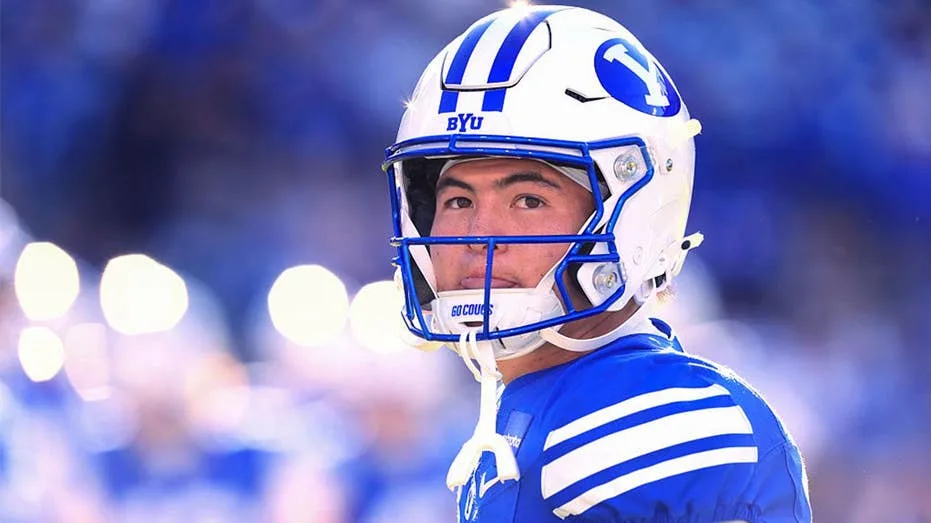
The BYU Cougars have recently been at the center of several officiating controversies, with the Big 12 Conference acknowledging errors that have, at times, benefited the team. The most recent admission came after their game against Arizona State, where a touchdown was incorrectly allowed to stand. This pattern follows contentious moments in their matchups against Notre Dame and UCF.
Disputed Clock Management Against Notre Dame
In a significant upset victory over then-No. 2 Notre Dame, BYU secured a 28-24 lead late in the fourth quarter. Quarterback Bear Bachmeier connected with tight end Walker Lyons for the go-ahead score with 1:47 remaining. The Fighting Irish mounted a final drive, reaching the 8-yard line with four seconds left after a crucial fourth-down conversion. However, C.J. Carr's pass fell incomplete, and the game clock showed zero.
Subsequent video review by observers indicated the clock displayed 0:01 as the ball hit the ground, suggesting Notre Dame should have had one additional play. The Big 12 Conference later issued a statement confirming this assessment.
Following the Big 12's review of the final play of Saturday's Notre Dame-BYU game, it was determined that time remained on the clock when the ball hit the ground and the play was incorrectly cleared by the replay officiating crew. The Conference will conduct a complete review of its end-of-game officiating process in advance of next week's games.While BYU might still have won, the call was a clear officiating mistake that benefited the Cougars.
Misapplication of Rules in UCF Contest
The following week, BYU faced another tight contest on the road against UCF. With the score tied 24-24 and 11 seconds remaining, UCF attempted a field goal on third down. Kicker Will Stone's kick was blocked short of the line of scrimmage, and he recovered it himself. During the tackle, Stone's helmet came off, initially drawing a facemask penalty flag against BYU, which was then picked up.
Crucially, officials then applied a 10-second runoff for the helmet coming off. However, rules analysts, including Terry McAulay, explained that such a runoff is only mandatory when the helmet removal directly causes the clock stoppage. Since the clock also stopped due to a "legal kick down," the runoff should not have been applied. This incorrect ruling prevented UCF from having another opportunity to attempt a game-winning field goal, sending the game into overtime.
BYU ultimately lost in double overtime, 34-31. A later roughing the kicker penalty against BYU's Kendall Wall, which granted UCF a first-and-goal after a successful field goal, further complicated the end of that game for the Cougars. Nevertheless, the initial helmet runoff decision arguably altered the game's trajectory, as the game may not have reached overtime in the first place had the rules been correctly applied.
Arizona State Fumble Ruling Overturned
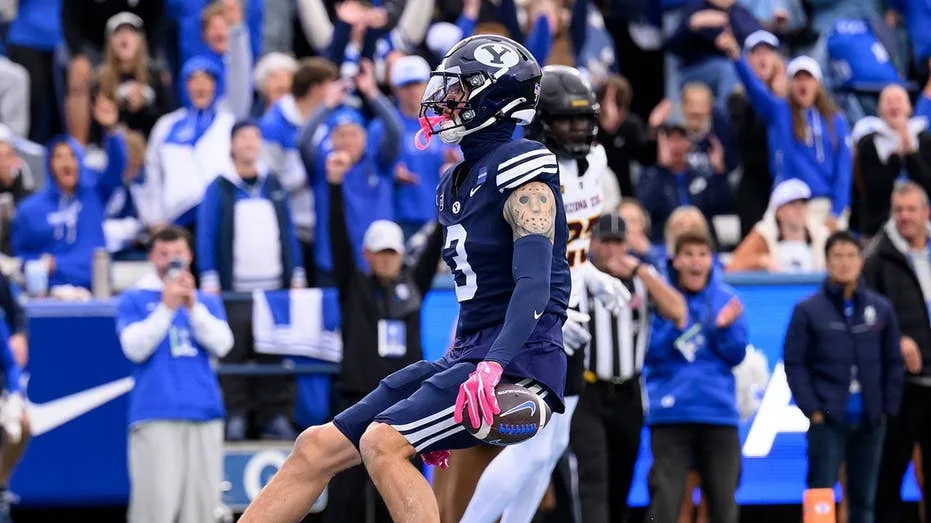
The third instance occurred during BYU's Halloween matchup against Arizona State in Provo. In the first quarter, quarterback Bachmeier fumbled at the one-yard line immediately after the snap while attempting to score. Sione Moa recovered the loose ball and advanced it into the end zone for a touchdown. Replay confirmed both the fumble and Moa's entry into the end zone.
However, the replay team overlooked a critical detail: the whistle had already blown, signaling Bachmeier as down before Moa recovered the ball. Under college football rules, a fumbled ball cannot be advanced after the whistle has blown. Despite this, the touchdown was inexplicably awarded to BYU.
The Big 12 Conference subsequently released another statement, admitting the error.
Replay was incorrect in awarding a score. The correct ruling should have been BYU ball for a third-and-goal from the 2-yard line.While BYU might have scored from the two-yard line, the call directly gifted them a touchdown. Arizona State head coach Kenny Dillingham expressed his frustration with the decision, both during and after the game.
I was trying to argue that he does have the right to recover it post-whistle, but that's not a clear advancement, which means the ball should be at the three. Obviously, that wasn't what happened. It's not the officials' fault. Those officials don't have say in that. That's all back home.
Broader Officiating Concerns and Upcoming Rivalry Game
These repeated incidents, while likely unintentional mistakes rather than a concerted effort to aid BYU, highlight a perceived growing problem with officiating consistency in college football. Officials' decisions can, and frequently do, significantly influence game outcomes. Fans of all teams often point to calls they believe unfairly went against their side.
Typically, such calls tend to balance out over the course of a season. However, the concentration of several high-profile errors involving a single program in rapid succession is unusual.
BYU faces another pivotal game this Saturday, traveling to Salt Lake City to confront their fierce rivals, the No. 3 Utah Utes. With Utah holding a 5-0 conference record and BYU standing at 4-1 alongside Texas Tech, this "Holy War" matchup carries immense weight for the Big 12 championship race and potential College Football Playoff berths. The hope is that the focus will remain on the athletic performances rather than the officiating crew.
Related Stories
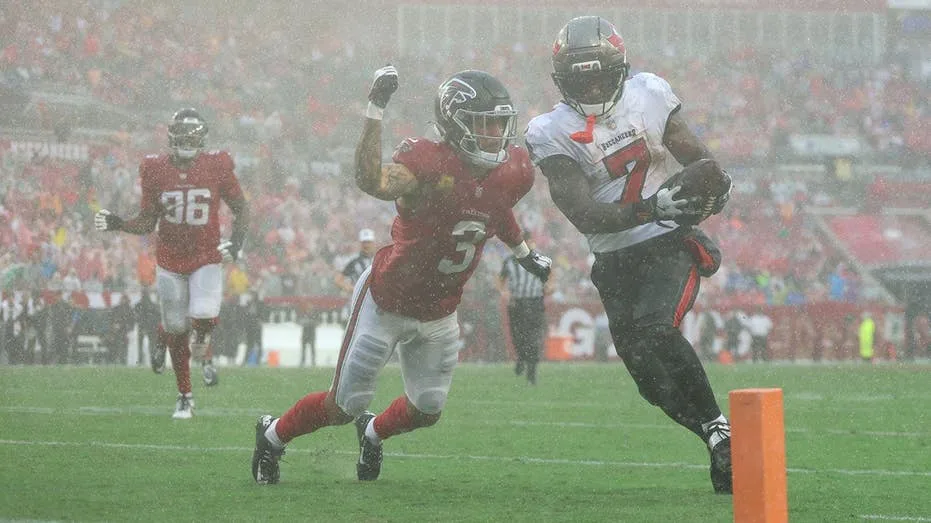
Tampa Bay Buccaneers Achieve Historic NFL Victory Without Completing a Single Pass
The Tampa Bay Buccaneers defeated the Atlanta Falcons 16-0 in a rain-soaked game, achieving a rare victory without completing a single pass. It’s only the second such instance in the Super Bowl era, driven by 324
Nov 1
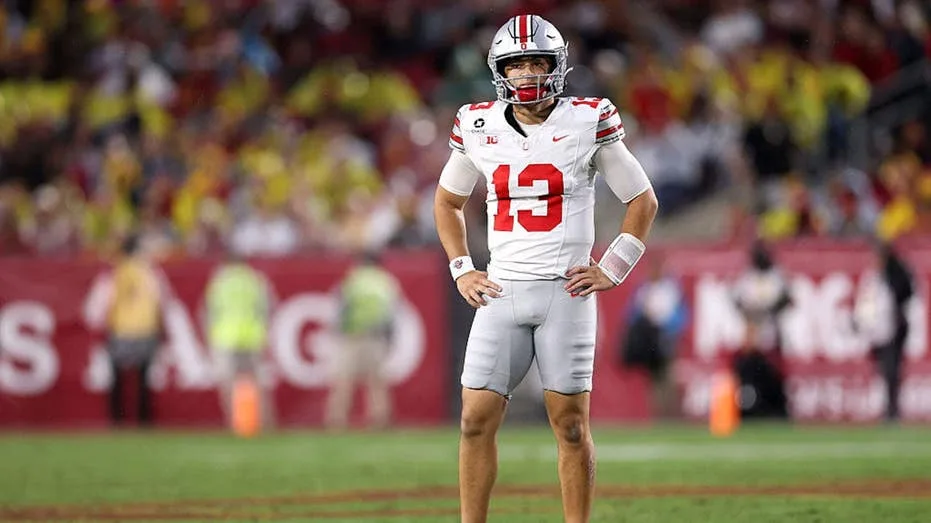
Ohio State's National Championship Aspirations Diminish After Shocking Upset by USC
Ohio State's national championship hopes are fading after a 30-18 upset loss to USC. With starting quarterback Julian Sayin sidelined by injury, the Buckeyes' offense struggled, raising significant questions about their
Nov 1
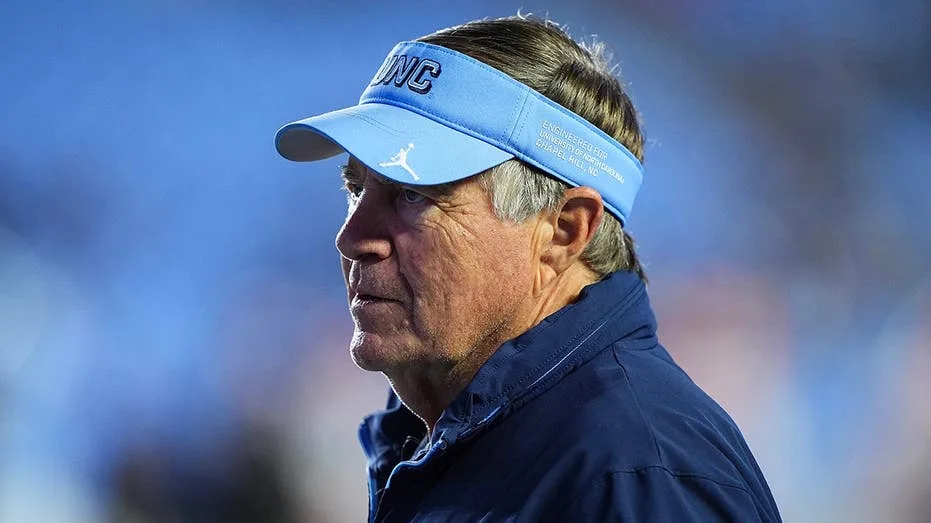
North Carolina Nearly Stuns Undefeated Miami in Thrilling College Football Showdown
North Carolina's Tar Heels nearly upset undefeated, top-ranked Miami in a thrilling 38-35 contest. Quarterback Billy Edwards Jr. led a formidable offensive effort, but a crucial late strip-sack allowed Miami to secure
Nov 1
BYU Holds Off Arizona State Rally to Maintain Undefeated Home Record
Eighth-ranked BYU overcame a spirited second-half comeback from Arizona State to clinch a 27-20 home win. Quarterback Bear Bachmeier led the offense, while a strong fourth quarter secured the Cougars' unbeaten status at
Nov 1