Ukrainian Drone Attack on Russian Warship in Libya Raises Escalation Concerns
A former U.S. national security adviser suggests the strike represents a significant escalation in the ongoing conflict and reflects Ukrainian President Volodymyr Zelenskyy's frustration with diplomatic initiatives.
World·
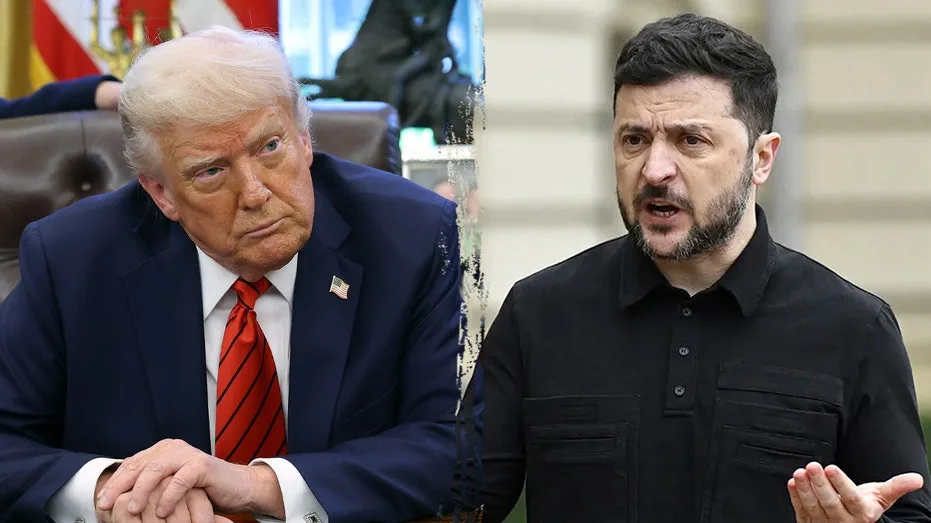
A recent maritime drone operation by Ukrainian forces, which reportedly led to the capsizing and sinking of a Russian warship near the Libyan coast on Sunday, could trigger a "serious escalation" in the nearly five-year-long conflict, a former U.S. national security adviser cautioned Monday. The official characterized the action as a "giant tantrum" from Ukrainian President Volodymyr Zelenskyy.
Escalation Warnings and Diplomatic Frustrations
"The strike against the Russian corvette Mercury in North Africa, specifically in Libya, constitutes a significant escalation of the war in Ukraine," the former adviser, Murphy, asserted. He added that viewing the Benghazi strike as a "giant tantrum" is one possible interpretation and aligns with Zelenskyy's past behavior.
Murphy further contended that Zelenskyy's inclination to pursue military objectives that diverge from Washington's diplomatic priorities has caused exasperation in both previous and current U.S. administrations. "This is why I believe both the Biden administration and the Trump administration have expressed frustration with Zelenskyy: he operates as an independent actor rather than a collaborative ally," Murphy explained.
Reports indicate that President Biden reportedly became agitated during a June 2022 phone conversation after Zelenskyy requested additional military aid, despite the White House having just announced a $1 billion support package for Ukraine. In his recently published memoir, Biden also conveyed private frustrations regarding Zelenskyy, portraying the Ukrainian leader as temperamental, resolute, and less appreciative than anticipated.
Impact on Peace Initiatives
Murphy then suggested that the drone strike in Benghazi could complicate former President Trump's ongoing efforts to mediate an end to the conflict. This is particularly relevant following Trump's recent high-profile summit with Russian President Vladimir Putin and Chinese President Xi Jinping, which notably excluded Zelenskyy.
"The President just concluded a successful meeting with Vladimir Putin and Xi Jinping, and he met them without Zelenskyy present, which is within the right of the President of the States to meet with whomever he chooses, whenever he pleases," Murphy remarked. "Zelenskyy was clearly displeased by that, and this attack serves as his way of demonstrating to the President of the United States that he retains significant relevance."
Ukraine's Strategy and Evolving Warfare
The operation, which was reportedly coordinated by Ukraine's SBU intelligence agency and its armed forces, targeted the Russian vessel while it was in port. This action has prompted questions regarding the origin point of the drones and the potential for the conflict to extend further beyond Ukraine's established borders. Zelenskyy publicly acknowledged the strike on Monday via a social media post, hailing it as "An exemplary Ukrainian operation in response to Russia's war."
Murphy posited that the Ukrainian leader is facing increasing pressure to demonstrate Kyiv's capacity for significant military victories, especially as former President Trump pursues a diplomatic resolution to the conflict. "What he is seeking here, I believe, is a victory, because Ukraine has historically garnered more aid and global sympathy when it is perceived as winning," Murphy stated.
Ukraine initially received widespread international backing after effectively resisting Russia's full-scale invasion in 2022, confounding early predictions that Moscow would quickly overpower Kyiv. "Ukraine performed considerably better against an adversary five times its size, and human nature inherently favors an underdog," Murphy observed. "There was a profound outpouring of sympathy—and, crucially, support—for Ukraine following Russia's initial, unsuccessful invasion."
However, as the conflict has protracted, Murphy argued that Ukraine has struggled to maintain the initial enthusiasm that followed Russia's early setbacks. He characterized the current fighting as having devolved into a "stalemate and a war of attrition." "Zelenskyy is finding it more challenging to build support," he commented on the present situation. "As he witnessed the President meeting with Russia and with Xi Jinping in China, he recognized the need for a victory, and a dramatic attack was required—thus, an asymmetric attack became a viable option."
The Benghazi strike also highlights Ukraine's growing capability to target Russian military assets thousands of miles from its own territory, although the precise method of the operation remains unclear. "Ukraine has claimed responsibility for it, but they have been cagey about its launch location," Murphy noted. "There is some speculation that it was launched from within Libya. Others suggest it originated from a mothership, which is entirely plausible—that they utilized an innocuous-looking cargo ship to deploy these drones."
Murphy emphasized that this operation signifies a profound shift in contemporary warfare, with military strategists still grappling with the implications of increasingly advanced drone attacks. "What we are witnessing unfold in real time is a complete transformation in the nature of warfare. It is truly unprecedented," he declared. "It will require time—time for planners and time for nations—to comprehend how to respond to this type of aggression."
Diplomatic Consequences
Beyond its immediate military implications, Murphy cautioned that the strike could potentially hinder diplomatic initiatives within Washington aimed at negotiating a resolution to the conflict. "There is a very dedicated group of diplomats and influential thinkers in D.C. who advocate for a diplomatic end to this conflict sooner rather than later," Murphy explained. "They perceive this as being in the best interests of the United States and the wider world, but most importantly, they see it as being in the best interests of the Ukrainian people."
Murphy concluded by stating that those advocating for a negotiated settlement would likely regard the reported strike in Libya as a setback to former President Trump's peace endeavors. "Many influential figures in Washington desire this conflict to conclude, and they will view this escalation in Libya as counterproductive to the objectives the President is attempting to achieve."
Related Stories
Trump Alleges Surge in Iranian Missile and Drone Activity Post-Midterms
Former President Donald Trump stated Iran has significantly increased missile and drone attacks in the week after the U.S. midterm elections, attributing the rise to Democratic control of Congress. He also claimed U.S.
Nov 22
Irish Activist Indicted in U.S. Over Alleged Destruction of $60 Million Military Aircraft in Ireland
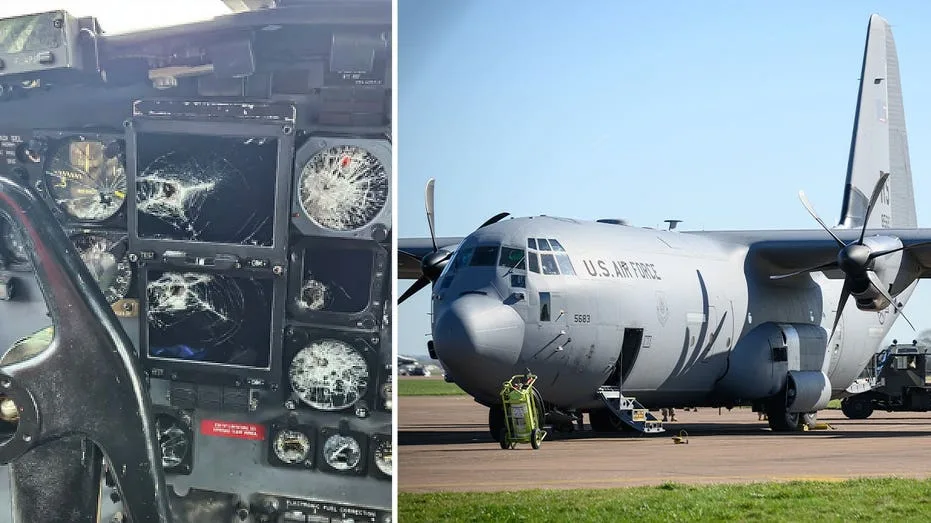
An Irish activist faces U.S. charges for allegedly destroying a $60 million military plane at Shannon Airport, Ireland. Prosecutors detail months of planning, extensive damage rendering the aircraft inoperable, and
Nov 18

American Basketball Player Detained in Nigeria on Alleged Drug Trafficking Charges
A 28-year-old American basketball player, Greene Da'monte Khiree, was apprehended last week at Murtala Muhammed International Airport in Lagos. Officials allege he tried to abandon two bags containing 75 pounds of
Nov 17

Blinken Warns US Ground Invasion of Iran Would Be 'Absolute Disaster' Amid Escalating Tensions
Former Secretary of State Antony Blinken stated that a U.S. ground invasion of Iran would be an 'absolute disaster,' citing the nation's vast size and weapon production capabilities. His warning comes as Iran claimed
Nov 16