As Middle East Conflict Continues, US Must Envision a Post-Islamic Republic Iran
Six months into regional hostilities, the fundamental question surrounding Iran’s government shifts from its military capabilities to its ultimate political future.
Opinion·
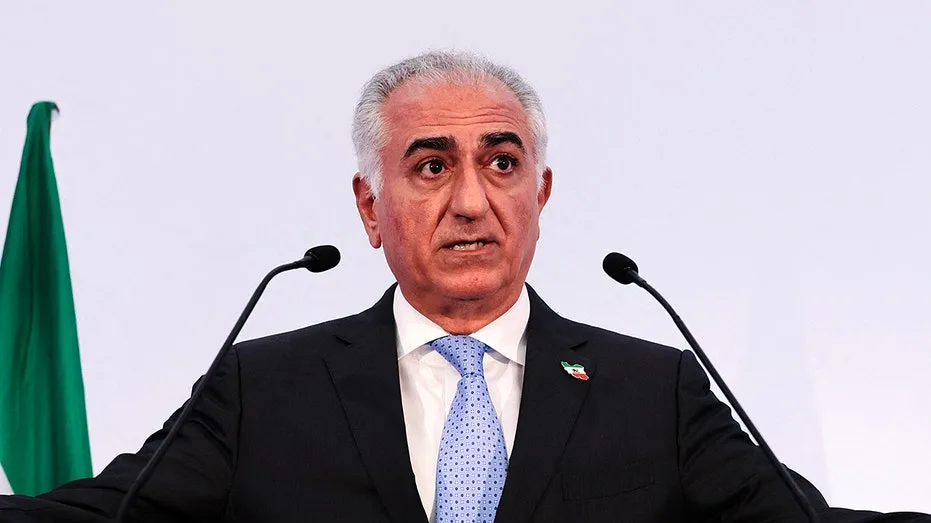
Half a year into the ongoing conflict, the pivotal inquiry regarding Iran's ruling establishment is no longer confined to its missile arsenal, the Islamic Revolutionary Guard Corps' (IRGC) capacity to threaten the Strait of Hormuz, or the potential duration of confrontations. A more profound, political, and historical question has emerged: Who holds the reins of power in Iran? Is it Mojtaba Khamenei, whose influence at the system's apex remains largely obscure; Masoud Pezeshkian, whose presidential office was never designed to wield ultimate sovereign authority; or the IRGC, which, after decades of consolidating military, intelligence, and economic control, might have become the true center of governmental gravity?
Increasingly, Iran appears less like a Shiite theocracy safeguarded by its clergy and more like a militarized dictatorship where the infamous religious leadership provides ideological legitimacy for those who control the armed forces.
The Shiite Republic, or Islamic Caliphate of mullahs, emerged in the harsh winter of 1979 with promises of salvation, yet delivered coercion. Khomeinism transformed political Islam into state power, utilizing terrorism, proxy warfare, and revolutionary expansion as tools of foreign policy. For nearly five decades, Tehran meticulously constructed armed transnational terrorist networks abroad while stifling political freedoms at home.
Now, this rogue government, which once harbored ambitions of exporting its revolution, is consumed by a more basic instinct: self-preservation. Conflict serves this objective. Under its shadow, dissent is branded as treason, criticism as collaboration, and repression as patriotism. Washington must reject the regime's enduring deception: Iran is not synonymous with the Islamic Republic, and the Islamic Republic has never truly represented Iran.
The Deepening Crisis and Calls for Change
This distinction gains critical importance as economic pressures escalate. While
Related Stories
Senate Control Remains Uncertain Amidst Shifting Political Landscape
Political observers are closely watching the battle for Senate control, with many key races showing extremely tight margins. Despite projections, the outcome remains highly unpredictable due to local factors and varied
Oct 20
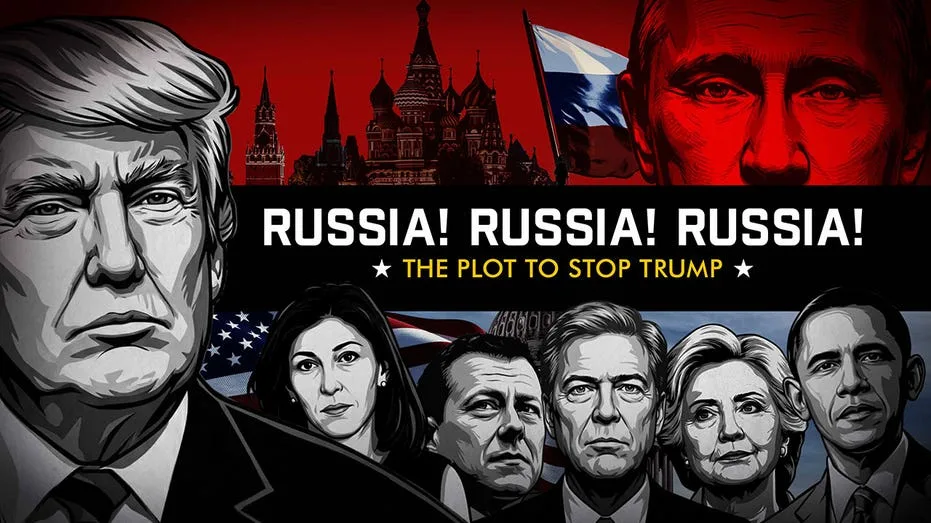
Unraveling the Russia Collusion Narrative: An Examination of Allegations Against Donald Trump
For over two years, claims of Donald Trump's alleged collusion with Russia consumed public discourse and media attention. A new documentary series examines recently declassified documents and other evidence, suggesting
Oct 12
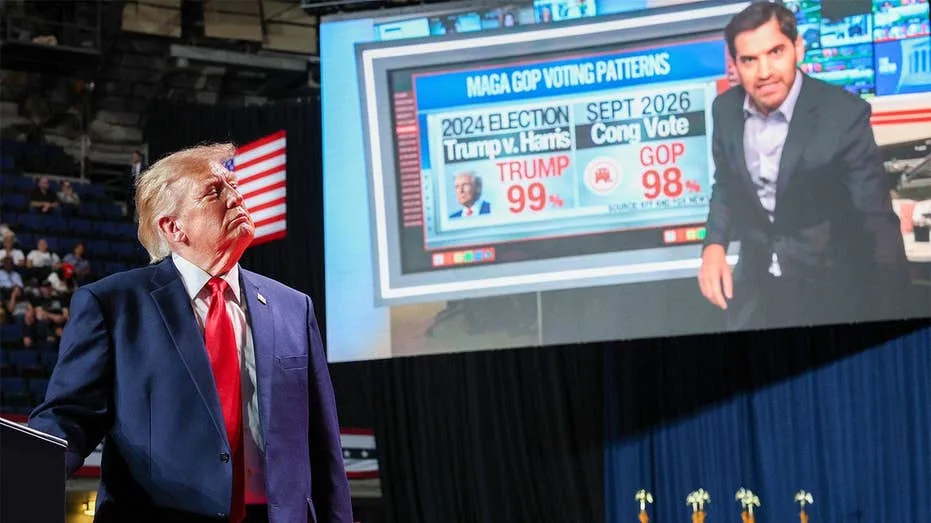
Examining the Midterm Outlook: A Deeper Look Beyond the Surface of Political Predictions
Despite widespread discussions of a potential 'blue wave' in upcoming elections, a detailed review of individual races, campaign finances, and candidate dynamics suggests a more nuanced and unpredictable outcome for
Oct 12
Examining the Double Standards and Selective Outrage in Modern Political Discourse
Contemporary American politics is marked by a pervasive sense of hypocrisy, with both parties accused of applying double standards to candidate scandals. This selective outrage, combined with the rise of extremist
Oct 5