Looming 50% Tariffs on Canadian Spirits Threaten US Hospitality and Intensify Trade Dispute
A potential 50% tariff on Canadian alcoholic beverages could significantly impact American bars, restaurants, and liquor stores, further escalating an ongoing trade disagreement between the United States and Canada.
Politics·
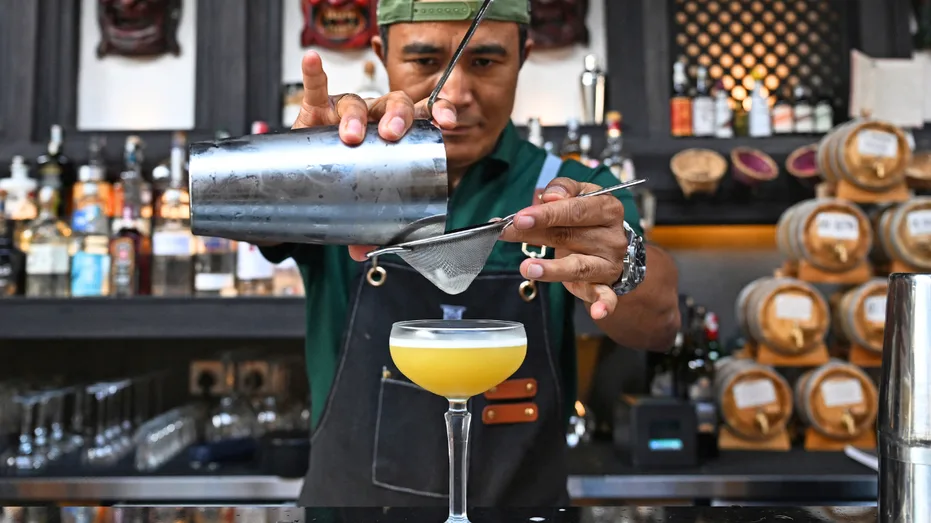
President Donald Trump's administration is poised to implement a substantial 50% tariff on Canadian distilled spirits, a move that could significantly affect American bars, restaurants, and liquor retailers. This potential trade action marks a new phase in the ongoing economic tensions with Canada.
Escalating Trade Tensions and Industry Concerns
The Distilled Spirits Council's President and CEO, Chris Swonger, highlighted the dual impact of such tariffs. While acknowledging they might pressure Canada to reintroduce American spirits to its markets, he also warned of adverse effects on U.S. hospitality businesses. Swonger expressed optimism for a resolution, stating, "We are hopeful that an agreement will be made between the Trump administration and Canadian politicians to put American spirits back on the shelves."
This latest tariff proposal represents an intensification of a trade dispute that has already seen U.S. spirits exports to Canada decline. In response to earlier American tariffs, several Canadian provinces had previously removed U.S.-produced spirits from their retail outlets.
High-level discussions were held on Tuesday, with President Trump and Canadian Prime Minister Mark Carney engaging in last-minute negotiations to avert the imposition of these 50% tariffs before a looming midnight deadline.
The proposed tariffs extend beyond just liquor, encompassing approximately $20 billion worth of Canadian imports. This includes various goods such as dairy products, vehicles, and hockey equipment. Specifically within the beverage sector, Canadian whisky, vodka, gin, rum, wine, and beer are among the products targeted for the new levy.
Economic Repercussions for Both Nations
The state of Kentucky, a significant player in the global spirits market, stands to be particularly affected by these trade disruptions. According to the Kentucky Distillers' Association, the state is responsible for producing 95% of the world's bourbon and sustains over 23,000 jobs within its industry.
Swonger suggested that the threat of substantial tariffs on Canadian liquor could serve as a crucial bargaining chip to encourage Canadian officials to reopen their markets to American producers. He elaborated, "Considering applying a 50% tariff on Canadian distilled spirits would hopefully be the trigger, the forcing mechanism to get the Canadian province leaders to put American spirits back on the shelves."
The implications of these trade barriers stretch beyond the distilling industries in both countries. Canadian whisky and other distinct Canadian spirits are widely consumed by Americans at home and are staple offerings in U.S. bars and restaurants. Consequently, new tariffs could create significant ripples throughout the entire American hospitality sector.
Annually, the U.S. typically exports around $220 million worth of distilled spirits to Canada. In contrast, Canadian producers export over $500 million worth of spirits to the considerably larger American market.
Industry's Call for Free Trade
Despite the potential for leverage, Swonger emphasized that the American spirits industry ultimately hopes to avoid the implementation of these tariffs. He warned that a 50% levy would be "absolutely devastating to the Canadian distilled spirits industry" and would inflict "a real impact on the American hospitality economy."
Swonger further argued that spirits are not easily interchangeable commodities. American consumers specifically seek out Canadian whisky, just as Canadian consumers have increasingly developed a taste for American whiskey. This distinctiveness means simply substituting products is not a straightforward solution.
The industry's preferred outcome, he asserted, remains a return to unimpeded free trade rather than an escalation into a tariff conflict. "We're an industry that thrives on zero-for-zero tariffs and zero trade barriers," Swonger stated.
As negotiations continue right up to the deadline, Swonger noted that distillers are anxiously awaiting the outcome of the administration's pressure tactics. "We hope we can get back to that tomorrow," he concluded, referring to a state of free trade.
Related Stories
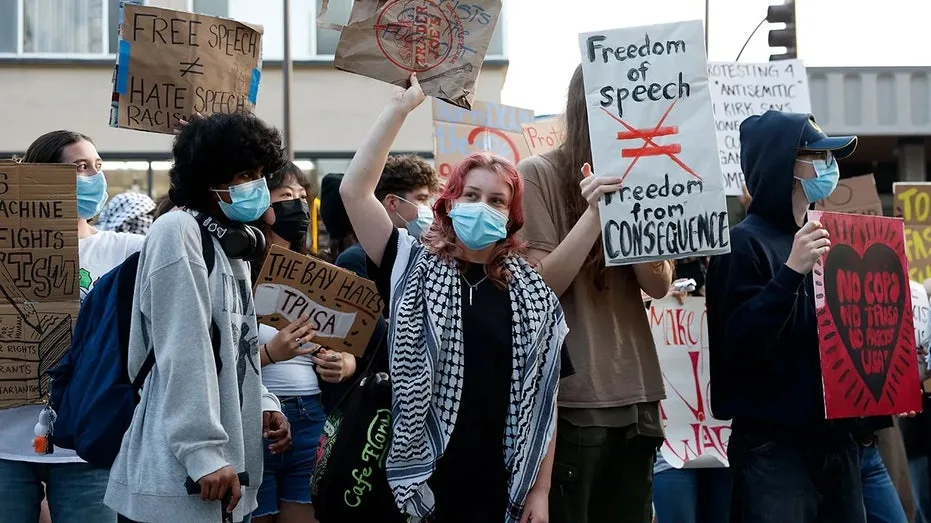
University President Sounds Alarm: Survey Finds Nearly Half of Students Justify Violence for 'Hate Speech'
A recent survey found that 45% of undergraduate students believe physical violence is justified to stop "hate speech." Cornerstone University President Dr. Gerson Moreno-Riaño views this as a moral formation issue,
Oct 21
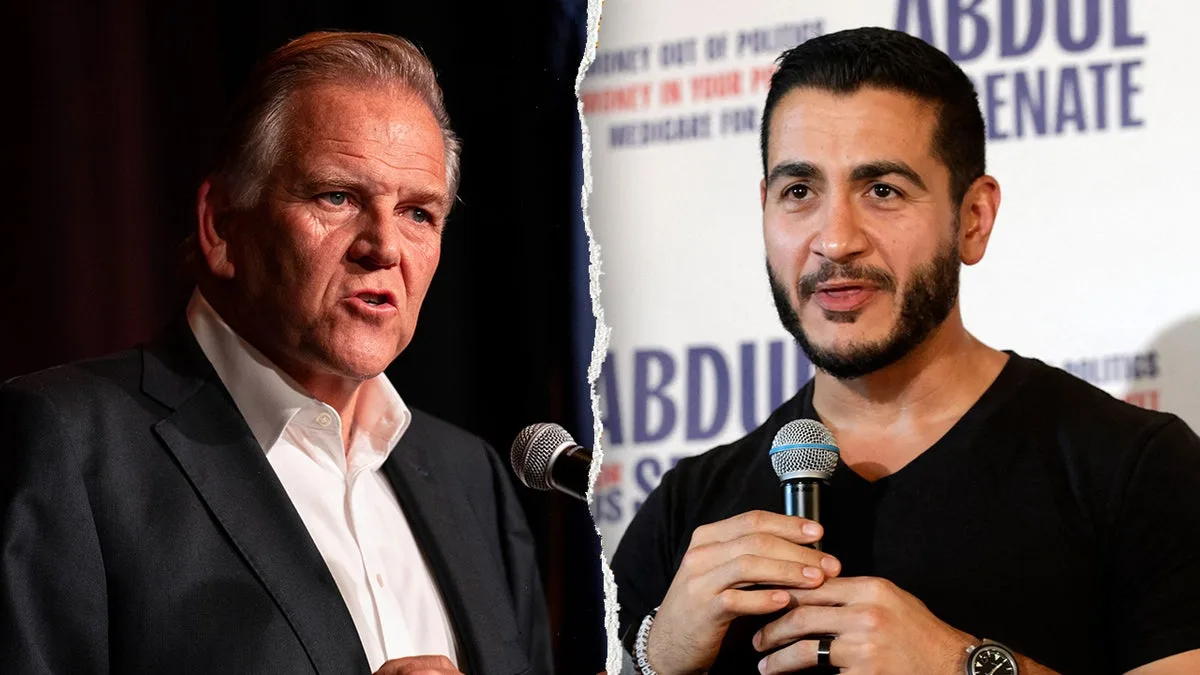
Michigan Republican Highlights Democratic Vulnerabilities as Obama Backs El-Sayed
A Michigan Republican candidate is spotlighting perceived vulnerabilities of his Democratic rival, El-Sayed, among key voter demographics, including Black and Jewish communities. This comes as former President Obama
Oct 20
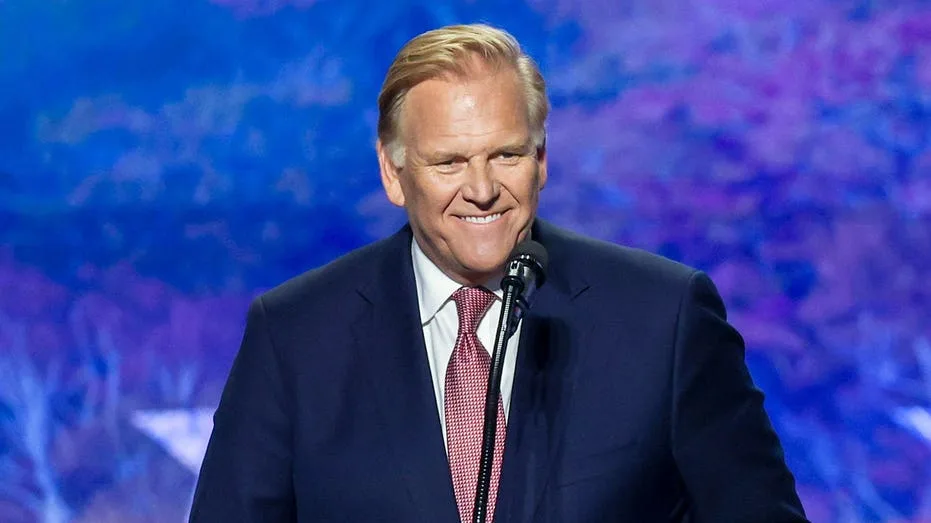
Rogers Cautions Michigan Voters Against El-Sayed's "Extreme" Platform
Republican candidate Rogers cautioned Michigan voters against his opponent, El-Sayed, describing his policy agenda as "extreme" and "deceptive." Rogers outlined concerns over El-Sayed's positions on public safety and
Oct 20
Massachusetts Republican Candidate Halts Campaign Following Alleged Drunken Driving Crash
A Massachusetts Republican candidate has suspended his campaign after being arrested for allegedly driving under the influence. The incident, involving an overturned vehicle and damaged parked cars, prompted calls for
Oct 19