Illinois Governor Faces Criticism for Opting Out of Federal Education Tax Credit Program
Governor JB Pritzker's decision to forgo participation in a federal scholarship initiative designed to support educational expenses has drawn sharp reactions from parental and advocacy groups.
Politics·
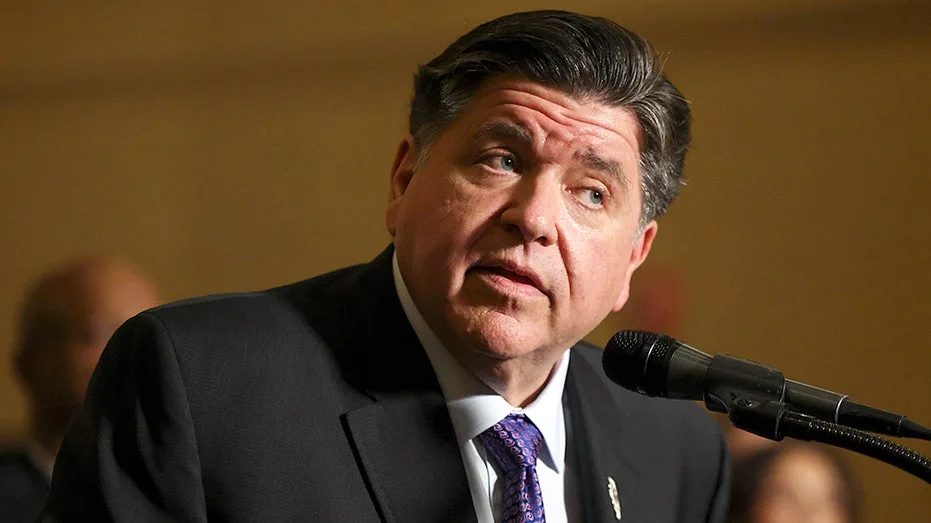
Governor JB Pritzker of Illinois, a Democrat, is currently facing accusations of prioritizing political considerations above the educational requirements of students. This criticism follows his decision to withdraw the state from the Federal Scholarship Tax Credit program, a move that has sparked considerable backlash from parents and various education advocacy organizations.
The governor's office confirmed on Tuesday that Illinois would not participate in the federal initiative. Enacted into law last year under President Donald Trump's "One Big Beautiful Bill Act," the program was characterized by Governor Pritzker as a "school voucher" system. However, this description has been disputed by advocacy groups, who contend that he has inaccurately portrayed the program's true nature.
Governor Pritzker's Rationale for Opt-Out
In an official statement, Pritzker articulated his reasoning, stating:
"At a time when public school education needs investments more than ever, we should not siphon money from public schools for private education – especially as the Trump Administration's policies decimate education. We have a responsibility to do right by all of our students. Taxpayer funding should not subsidize donations to private schools that could discriminate based on religion, sexual orientation, or other characteristics."
In his announcement, Governor Pritzker underscored that his choice to opt out reinforces his dedication to bolstering Illinois's public education system. He asserted that this action ensures federal taxpayer resources are preserved for the public school students and communities they are fundamentally meant to assist.
Understanding the Federal Scholarship Program
The federal program offers individuals federal tax credits for contributions, up to a maximum of $1,700, made to approved scholarship-granting organizations (SGOs). These SGOs are responsible for allocating the donated scholarship funds to qualifying families. The funds can be utilized for various educational costs, encompassing both private and public expenses such as private school tuition, tutoring services, and essential textbooks.
Advocacy Groups Challenge Program Characterization
Critics argue that Pritzker's decision not only prevents Illinois children and families from accessing these scholarships but also creates a scenario where state residents can still claim the federal tax credit. This means that an estimated $2 billion in potential scholarship funds, which could have directly benefited students and families within Illinois, will now effectively leave the state, flowing to other participating regions.
However, opponents challenge Pritzker's characterization of the initiative as a "voucher" program. They contend that the program does not divert any funding from public education institutions.
According to advocates, Pritzker's decision is compounded by what they describe as a fundamental misrepresentation of the program. They emphasize that it is explicitly not a voucher system and takes no funds whatsoever from public school budgets. Instead, it serves to encourage taxpayers to allocate their federal tax dollars—not state funds—towards scholarship contributions. Consequently, these federal funds, which could have aided Illinois families, will now benefit those in other states.
Furthermore, proponents highlight that students enrolled in public schools are also eligible to receive these funds. Given that the majority of Illinois students attend public institutions, and by extension, most taxpayers send their children to public schools, it is anticipated that a significant portion of taxpayers would direct their contributions to SGOs that ultimately benefit public school students.
Political Divide Over Education Funding
Critics also accuse Governor Pritzker of involving children in partisan political disputes concerning an issue that, in their view, presented a unique chance for bipartisan cooperation.
Notably, several other Democratic governors, including Colorado's Jared Polis, New York's Kathy Hochul, and New Mexico's Michelle Lujan Grisham, chose to enroll their states in the program, aligning with numerous Republican counterparts. Despite this, changes are on the horizon for some participating states; for example, Colorado's Governor-elect Phil Weiser has indicated intentions to reverse the state's participation come January.
In Kansas, Kentucky, and North Carolina, Democratic governors also expressed reluctance to join the program, but their vetoes were ultimately overridden by Republican-controlled state legislatures, leading to those states' inclusion.
Commenting on Pritzker's decision, one advocate expressed disappointment, stating:
"I think it's really sad to see — to put kids in the middle of partisan politics. Many blue state governors — Gov. Hochul, Gov. Polis in Colorado and the New Mexico governor — have put politics aside and have put kids first. And I think that if governors can peel back whatever misconceptions they are reading and they can read the program for what it is, it is bipartisan. It will have bipartisan support because education, kids, families are the ones that are going to be successful in this."
She further conveyed optimism, adding, "I think we're going to see, and I hope we're going to see, more Democratic governors opting into this program before Jan. 1."
Addressing Affordability and Student Needs
Additionally, proponents emphasized the potential for the program to assist families facing financial difficulties, especially given widespread concerns about affordability across Illinois and the nation.
The advocate underscored the prevailing economic challenges, stating:
"We all know that affordability is the number one issue that Democrats and everyone is running on and everyone is feeling a pinch of the penny across the country. And this is a real opportunity that has money flowing into the state of Illinois that could have helped families that are pinching every dollar. For the working mom of two or three or four, she may have one or two jobs, three jobs. Where is she sending her kid after school? Is she paying for after-school care? The tax credit program could have offered her a scholarship to help cover those costs."
She elaborated on other potential benefits, noting:
"We talk about teachers paying out of pocket. It's been estimated that teachers pay well over $800 out of their pocket for school supplies. Imagine if every low-income kid came to school with all of the school supplies needed. That teacher would not have to pay out of pocket. It's small things like this that really add up in a pocketbook that are now not available to the families and the students in Illinois."
Related Stories
Senator Tuberville Encourages Texans to Relocate to Alabama After Significant Democratic Gains
Following significant Democratic victories in Texas during the recent midterm elections, Alabama Senator Tommy Tuberville encouraged Texans to consider relocating to Alabama. He described the shifting political
Nov 25
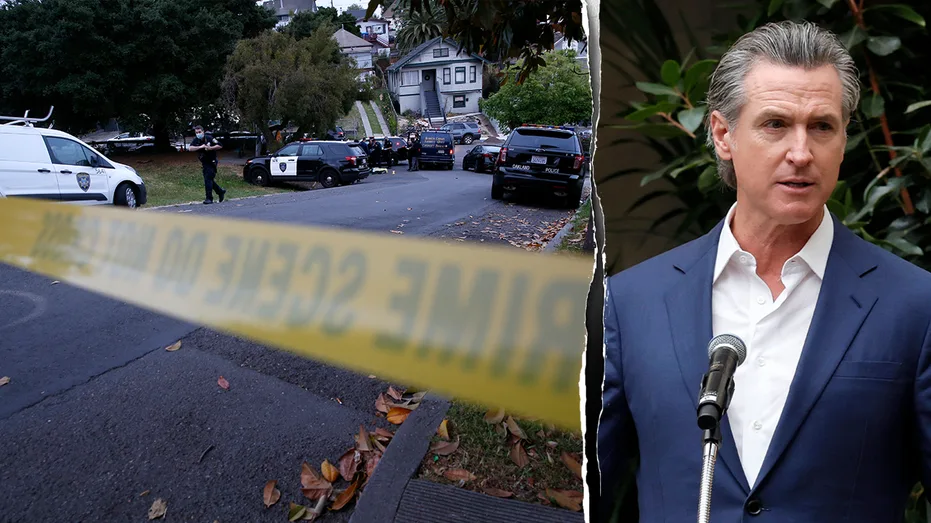
California Governor's Mass Death Sentence Commutations Face Strong Opposition from Prosecutors, Victim Advocates
Governor Gavin Newsom's commutation of 548 death sentences to life without parole faces strong opposition. Prosecutors and victim advocates criticize the move for denying victims a voice, disrespecting legal processes,
Nov 25
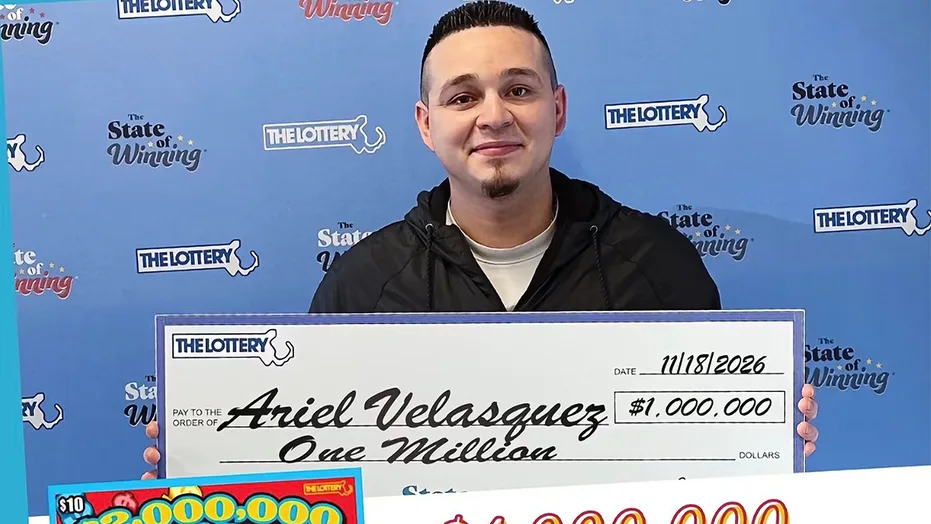
Man Who Claimed $1 Million Massachusetts Lottery Prize Arrested by Federal Immigration Officers
A man who publicly celebrated winning a $1 million Massachusetts State Lottery prize was arrested by federal immigration officers days later. Authorities had an outstanding deportation order for him since 2014, stemming
Nov 25
Massachusetts Sues Trump Administration Over ICE Courthouse Arrests
Massachusetts is suing the Trump administration to halt civil immigration arrests by ICE agents in state courthouses without judicial warrants. Attorney General Andrea Joy Campbell argues these actions violate the
Nov 24